Your Cart is Empty


Key Takeaways
Welcome back to the crew! In 2026, we’ve moved past the "experimental" phase of electric boating. For pontoon owners, the shift to electric isn’t just about being eco-friendly, it’s about the silent cruise, zero winterization, and the instant torque that makes docking a 20-foot barge feel like a dream.
At Tiny Boat Nation (TBN), we don’t just sell motors; we build vessels. Whether you are rigging a 12-foot micro-pontoon or upgrading a full-sized tri-toon, here is the technical breakdown of what you actually need to know about electric outboard this year.
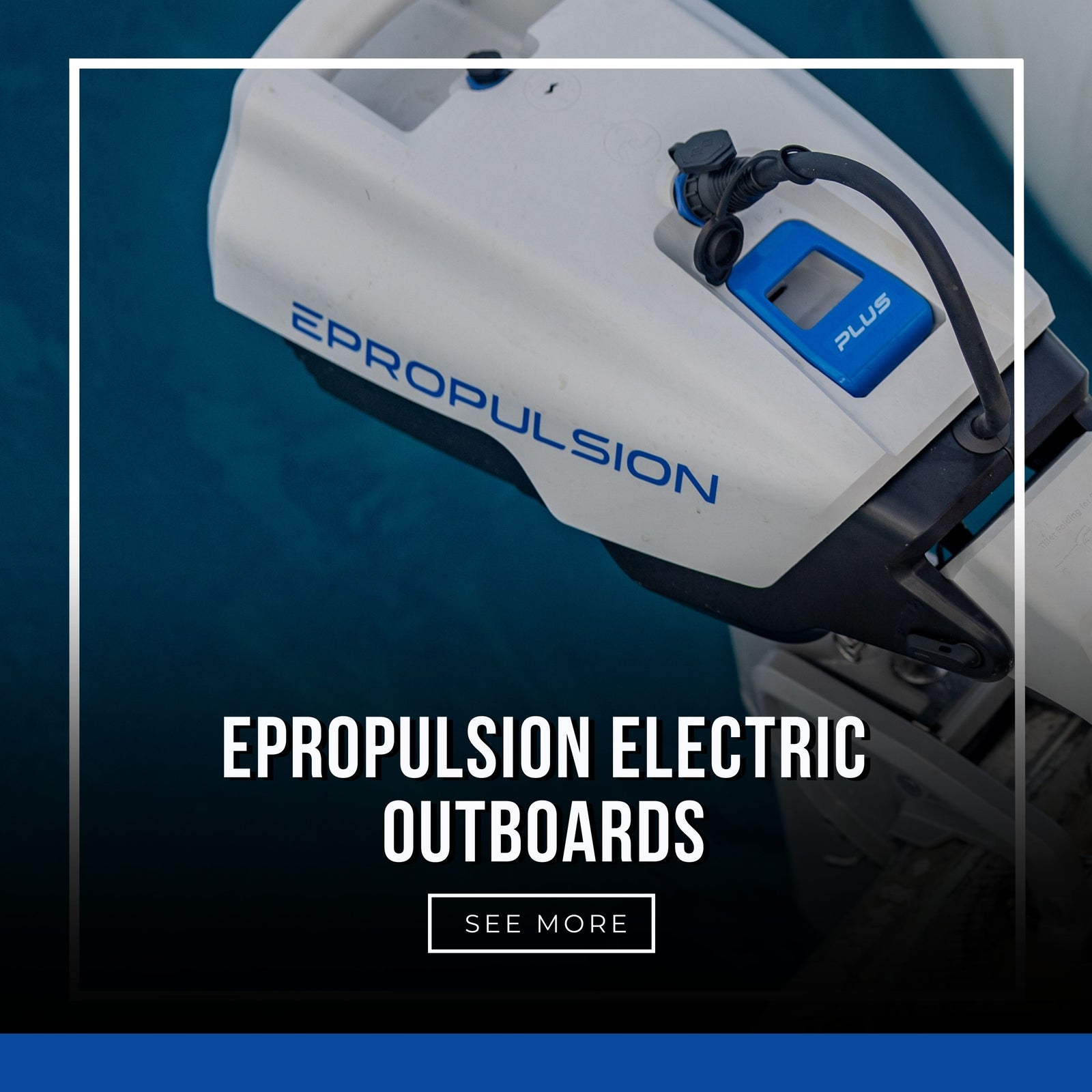
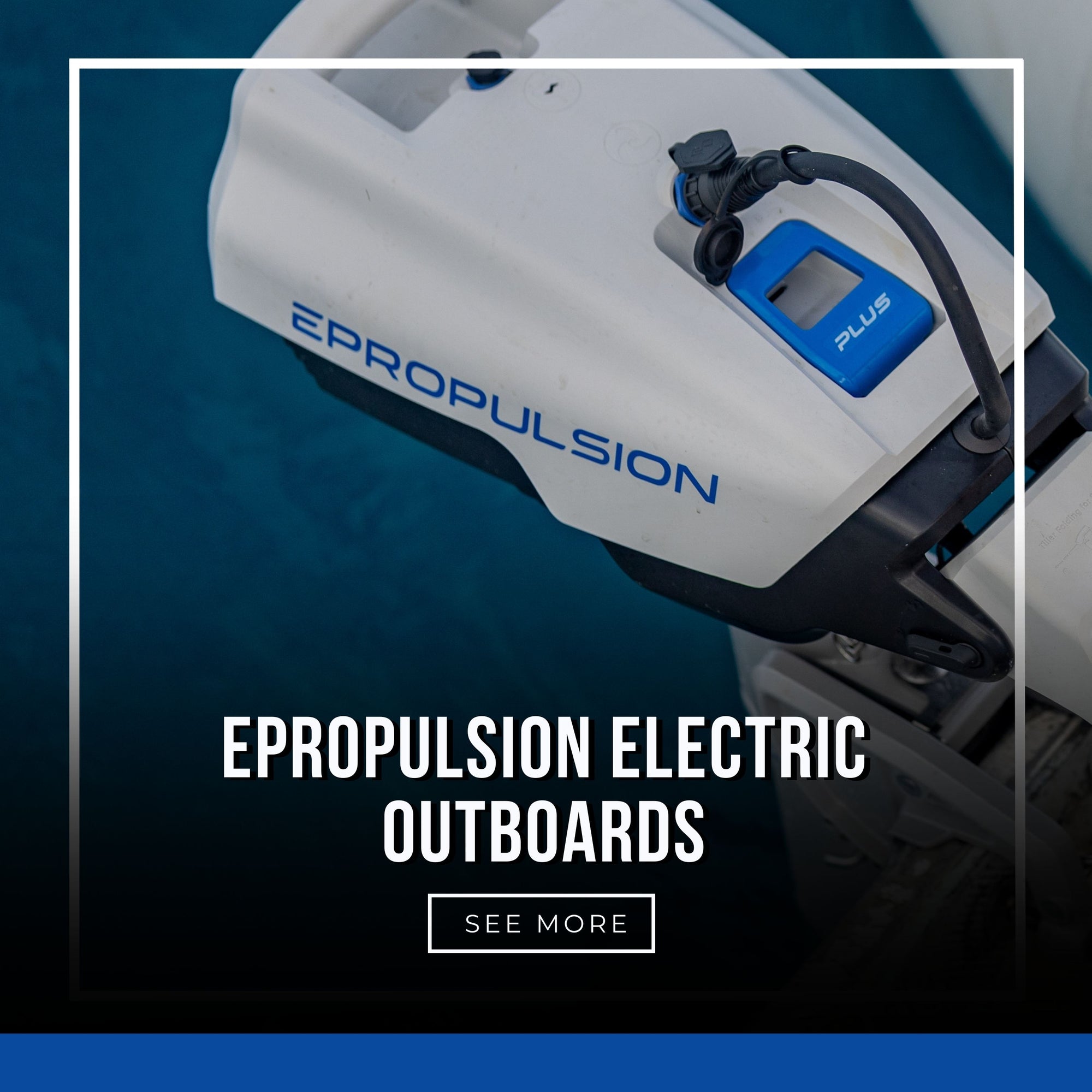
Traditional gas outboards create a "windy" whine and vibration that kills the vibe of a sunset cruise. Electric motors, specificallydirect-drive models like the ePropulsion series, have no gears or brushes, making them virtually silent and maintenance-free for up to 20,000 hours.
Pontoons are heavy, wind-resistant "sails". Unlike gas engines that have to "rev up," electric motors provide 100% of their torque immediately. This gives you superior control when fighting a crosswind at the boat ramp.
Say goodbye to oil changes, spark plugs, and ethanol-clogged carburetors. In 2026, your "winterization" routine is as simple as disconnecting the battery and keeping it in a dry place.
Don't get caught in the marketing trap. When you’re shopping for a pontoon boat for sale, you’ll see motors rated in Watts. Here is how that actually translates to performance on the water:
|
Motor Model |
Wattage |
Gas Equivalence (Performance Class) |
|
Spirit 1.0 Plus |
1,000W |
~3 HP |
|
Spirit 2 |
2,000W |
~5 HP (with 3kW Boost) |
|
Navy 3.0 |
3,000W |
~6 HP |
|
Navy 6.0 Evo |
6,000W |
~9.9 HP |

If you have a standard 16-24 foot pontoon, this is your go-to. It’s a 9.9HP equivalent that draws about 125 amps at full throttle.
Pro Tip: Don't size your battery by Amp-hours alone. You need a battery system that can handle 125A continuous draw without overheating. We recommend at least 150Ah of rated capacity for a safe margin.

The Spirit 2 is the 2026 standout for micro-pontoons and mid-sized builds. It features a 3,000W Boost Mode for 60 seconds when you need to fight a sudden current.
Key Upgrade: The battery now features a USB-C output, so you can charge your phones or GoPros directly from the motor’s power source while cruising.

Still the "bang-for-your-buck" leader at roughly $34.21 per minute of wide-open runtime. It weighs only 42 lbs total, and the integrated battery floats if you accidentally drop it during installation.
If you are running a mini pontoon boat under 16 feet, smaller electric outboards may be a better fit than full-size pontoon options.

A practical option for compact mini pontoon setups. compact, quiet, and affordable, making it a solid choice for lighter pontoon boats.

Mercury brings a high-end, "gas-like" feel with a beautiful digital display. However, be aware that it is significantly heavier (66 lbs) and more expensive than the Spirit 1.0 Plus without offering a major gain in top speed.
Electric props are designed differently than gas props. To maximize efficiency and prevent "sucking air" (ventilation), you should aim for 4–5 inches of water above the top of the prop. If you run it too high like a gas setup, you’ll lose thrust and waste battery.
Running at 100% throttle (Wide Open Throttle) is the fastest way to kill your day. On most pontoons, backing off to 20–40% throttle allows you to maintain about 80% of your top speed while nearly doubling your runtime.
Batteries are heavy. If you’re using large packs like the E175 (~220 lbs), your boat might sit stern-heavy. At TBN, we often recommend splitting the weight by using multiple smaller packs (like two E80s) to balance the boat side-to-side or front-to-back.
In 2026, the best "pontoon boat for sale" is the one that lets you enjoy the water without the headache of gas maintenance. If you’re unsure which shaft length to choose, remember the TBN rule of thumb: Measure your transom height and aim for the prop top to be even with or up to 2" below the hull.
Still hitting a wall on your build? Reach out to the crew! We’re here to help you move from the "napkin" stage to the nautical stage.
Ready to start your silent build? Check out our latest custom framing kits and Epropulsion setups today!
Q1: Can I use third-party batteries?
A: Yes, but you may lose direct BMS communication. You’ll get "estimated" data on your screen rather than the exact "minutes remaining".
Q2: Does the Spirit 2 battery work with my old Spirit 1.0 charger?
A: No. The connector has been redesigned for the 2026 models and is not cross-compatible.
Q3: What wiring should I use to move my batteries to the center of the pontoon?
A:Use 2-gauge tinned copper marine wire. Never use standard "jumper cable" wire—it will corrode in a marine environment and fail.