Your Cart is Empty

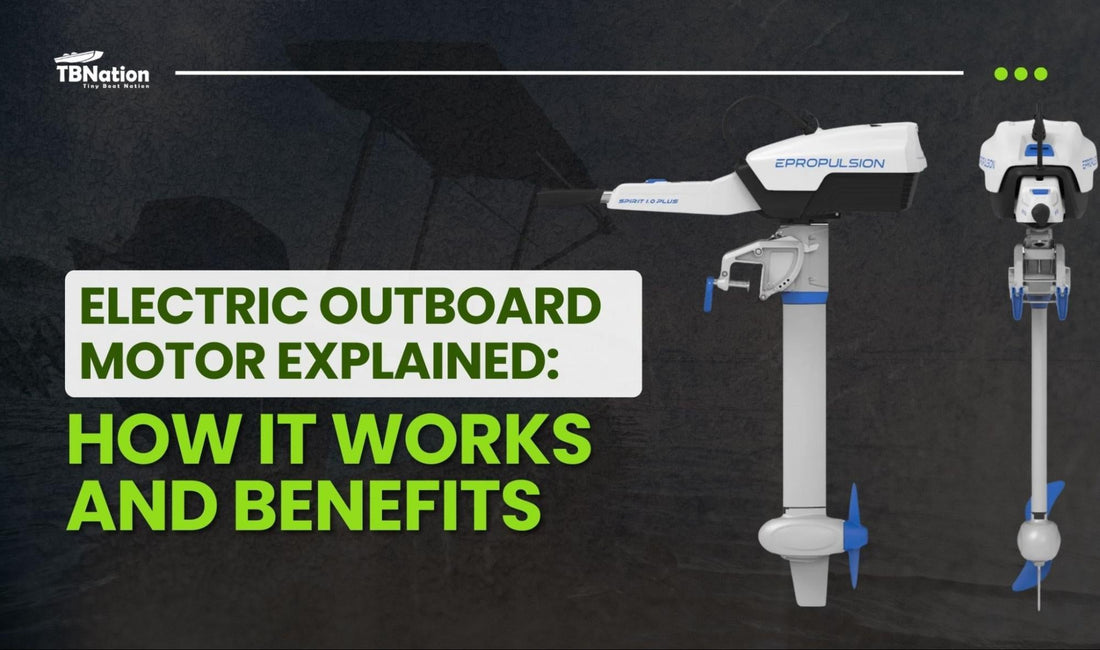
Electric outboard motors are transforming modern boating in Texas, where boaters enjoy a wide range of waterways, including inland lakes, gentle rivers, spring-fed reservoirs, and sheltered bays. As interest in quiet and environmentally responsible recreation continues to grow, more boat owners are turning to electric propulsion as a cleaner, smoother alternative to traditional gas-powered engines.
This guide explores how electric outboard motors function, the benefits they offer, and some of the top electric outboard options available today. Whether your focus is fishing, relaxed cruising, or spending quality time with family on the water, electric outboards deliver a modern, efficient, and enjoyable boating experience.
An electric outboard motor is a boat propulsion system powered by electricity rather than gasoline. Instead of an internal combustion engine, it uses an electric motor connected to a battery to rotate the propeller. Electric outboards are especially popular for small to medium boats such as Jon boats, pontoons, and dinghies. Their quiet operation, zero emissions, and minimal maintenance make them well-suited for freshwater environments commonly found across Texas.
Electric outboards operate using a simple and efficient system. The electric motor converts electrical energy into mechanical power, delivering instant torque for smooth acceleration. The battery system, typically lithium-ion, provides lightweight and high-capacity energy storage and may be integrated or removable. The motor shaft and midsection connect the motor to the lower unit and ensure proper propeller depth. The lower unit and propeller transfer power to the water with near-silent efficiency. The control system may include tiller handles, digital throttles, and displays showing speed, battery level, and range.
|
Factor |
Electric Outboard Motor |
Gas Outboard Motor |
|
Noise &Vibration |
Nearly silent with minimal vibration, ideal for fishing, wildlife viewing, and peaceful cruising |
Loud engine noise and noticeable vibration that can disturb comfort and the environment |
|
Maintenance |
Very low maintenance; no oil changes, fuel mixing, or carburetor issues |
Requires regular servicing: oil changes, spark plugs, fuel system maintenance, and winterization |
|
Operating Cost |
Much cheaper to operate; battery charging costs far less than fuel |
Higher ongoing costs due to gasoline, oil, and frequent maintenance |
|
EnvironmentalImpact |
Zero exhaust emissions; eco-friendly and safe for lakes and rivers |
Produces emissions (hydrocarbons, nitrogen oxides) that can pollute water and harm aquatic life |
|
Power & Range |
Best for short to moderate trips; modern models provide enough thrust for most freshwater needs |
Superior for long-distance travel, high speeds, and heavy-duty use |
|
User Experience |
Smooth, clean, and relaxing boating experience |
Powerful but noisier and less comfortable over time |

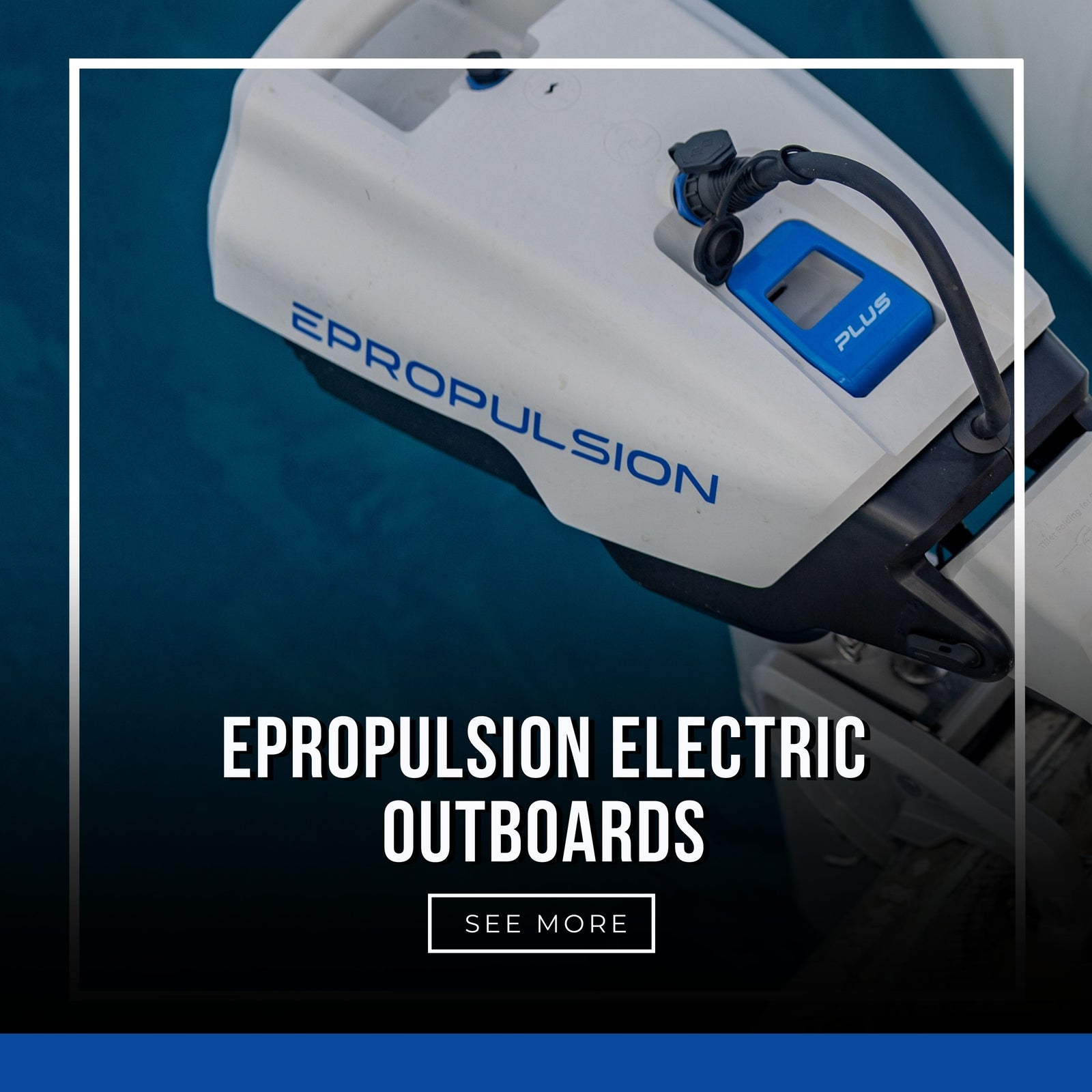
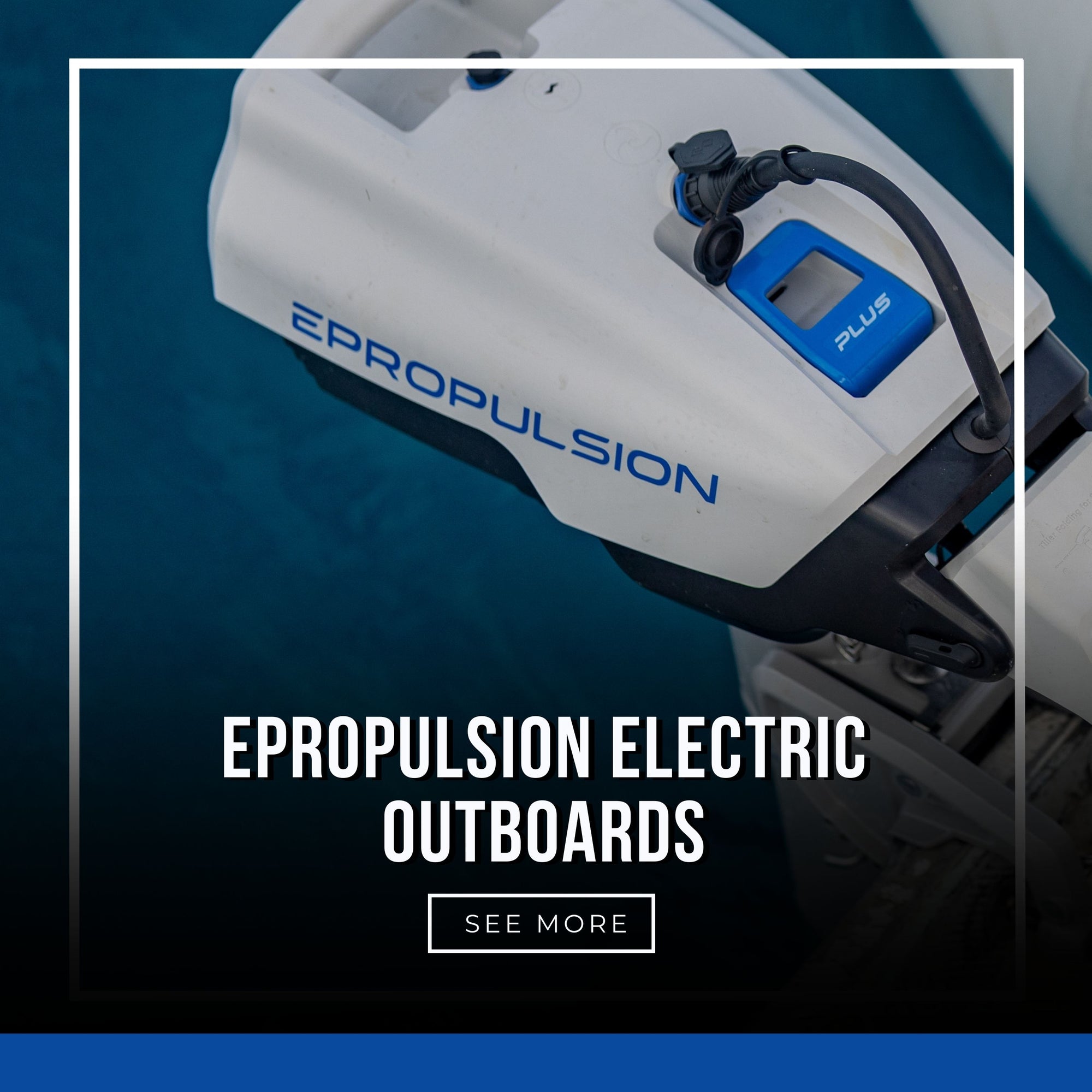
This lightweight and efficient motor delivers 3HP equivalent performance with a removable lithium battery, digital throttle and display, and quiet eco-friendly operation.
Top Features:

The Newport NT300 features a compact, durable design with easy tiller control, smooth power delivery, and quiet operation suitable for leisure boating.
Top Features:

The NV Series provides precise speed control, long runtime, corrosion-resistant construction, and simple installation for small boats.
Top Features:

The Remigo One combines a lightweight, all-in-one design with a removable battery, quiet performance, and a digital display for battery and speed monitoring.
Top Features:

This premium option includes a high-efficiency lithium battery, GPS-based range estimation, lightweight construction, and an advanced digital interface.
Top Features:
The size and weight of your boat determine how much thrust you need from an outboard motor. Heavier boats or those carrying more passengers and gear require higher thrust to maintain smooth and efficient performance.
Consider how fast you want to travel and how far you typically go on a single trip. Longer distances and higher speeds require a motor with sufficient power and a battery system that can support extended runtime.
Choosing the correct shaft length ensures proper propeller depth and optimal efficiency. A shaft that is too short or too long can reduce performance and affect handling, especially in varying water conditions.
Electric outboards are available with different control options, including tiller handles, remote steering, and digital throttles. Selecting the right control system depends on your boat layout, comfort level, and how you prefer to maneuver your vessel.
The type of water you navigate plays a key role in motor selection. Calm lakes typically require less power, while rivers with currents demand stronger thrust and more precise control for safe operation.

Electric outboard motors run almost silently, allowing boaters to glide across the water without disturbing wildlife or other people nearby. This quiet performance is ideal for fishing, wildlife observation, and anyone who prefers a calm, peaceful boating experience.
With simple throttle controls and instant torque, electric outboards are very beginner-friendly. There’s no need to prime fuel, use a choke, or worry about engine stalling. Docking, maneuvering in tight spaces, and adjusting speed are smooth and effortless for both new and experienced boaters.
Electric motors have far fewer moving parts than gas engines, resulting in significantly less upkeep. There are no oil changes, fuel spills, carburetors, or spark plugs to maintain. This makes electric outboards especially convenient for seasonal boaters or those who store their boats for extended periods.
Charging an electric outboard battery costs much less than refueling a gas engine. Over time, the combination of lower energy costs and minimal maintenance can lead to substantial savings, making electric propulsion an economical choice for frequent and occasional boaters alike.
Electric outboards produce zero exhaust emissions and have minimal environmental impact. By eliminating fuel and oil discharge, they help protect water quality, aquatic life, and surrounding ecosystems, making them a responsible option for sustainable recreational boating.
Electric outboard are transforming recreational boating across Texas. With quiet performance, low maintenance, and eco-friendly operation, they are an excellent choice for freshwater boating and relaxed cruising. Leading options such as the Torqeedo outboard motor, ePropulsion outboard motor, Newport outboard motor, Remigo One outboard motor, and NV Series provide reliable solutions for a wide range of boating needs.
An electric outboard motor is a boat propulsion system powered by electricity instead of gasoline. It uses an electric motor connected to a battery to turn the propeller, offering quiet, zero-emission, and low-maintenance boating.
Electric outboards convert battery energy into mechanical power via the electric motor, which spins the propeller. They include a control system, motor shaft, lower unit, and sometimes advanced features like GPS range estimation for precise navigation.
For most freshwater boating, yes. Modern electric outboards provide sufficient thrust and battery life for small to medium boats, fishing trips, and leisure cruising. Gas outboards are still preferable for long-range or high-speed applications.
The top five recommended electric outboard motors include the ePropulsion Spirit 1.0 Plus outboard motor, Newport NT300 outboard motor, NV Series Trolling Motor, Remigo One outboard motor, and the Torqeedo Travel outboard motor.
Consider boat size, desired speed and range, battery capacity, shaft length, and your preferred control system (tiller, digital throttle, or remote). Local water conditions may also influence your choice.