Your Cart is Empty


So, you’re sitting at your kitchen table with a napkin sketch of your dream micro-skiff, and the big question pops up:"Do I really need a gas motor, or is it time to join the tincancrew and go electric?".
At Tiny Boat Nation, we’ve rigged everything from 10-foot Pond Prowlers to decked-out 1648 Jon boats. We’ve run the "Derby" tests and done the "WOT" (Wide Open Throttle) math. The truth is, an Electric Outboard isn't just a "trolling motor on steroids" it’s a self-contained propulsion system that can fully replace gas if you understand the "rules of the road".
For most TBN builds, electric is no longer a compromise; it’s an upgrade. If your build fits these categories, you’re ready to ditch the gas can:
If you're tournament fishing on lakes where internal combustion is banned, high-end electrics are your only way to get to the honey hole fast.
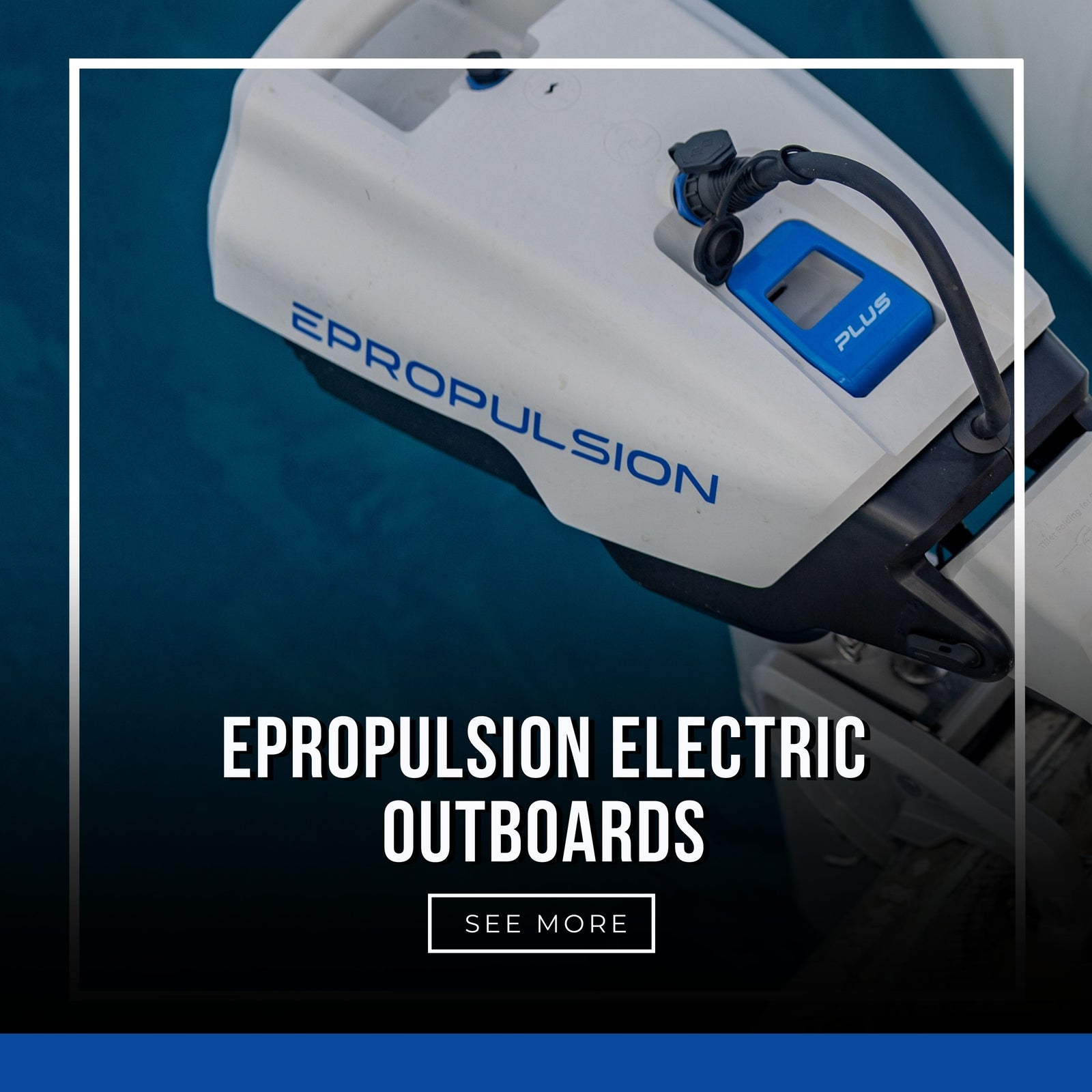
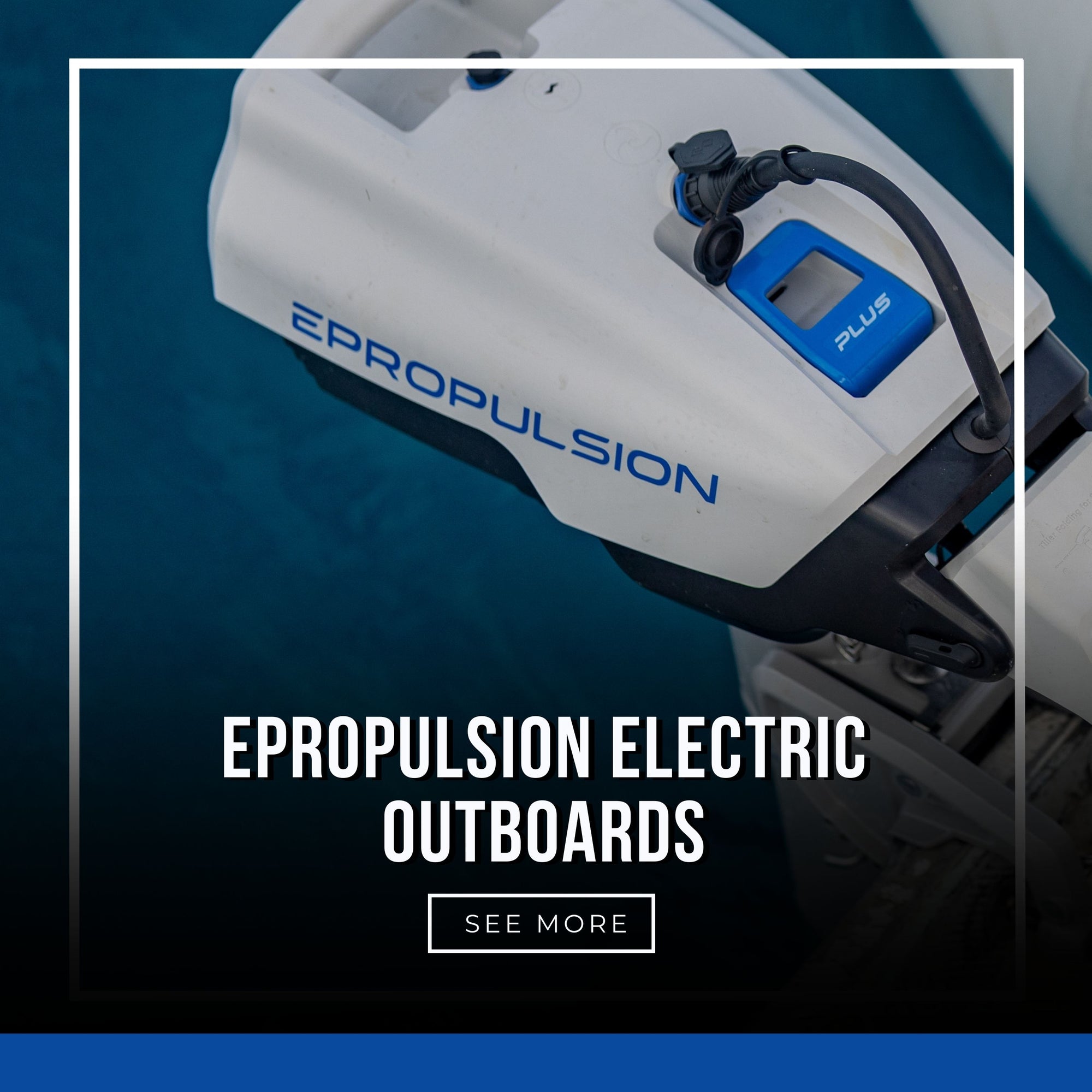
If you’re portaging a 12-foot portable jon boat or a kayak-style skiff, you need a motor that breaks down into manageable bags. TheePropulsion Spirit 1.0 Plus is the king here because the battery pops off and even floats if you drop it at the ramp.
Whether you’re chasing bass in a Pond Prowler or stalking reds in a micro-skiff, silence is your best tool. Modern brushless motors are virtually silent compared to the "windy" whine of a Mercury Avator or the clatter of a 2-stroke.
We’ve put the top players through the ringer. Here’s the "Napkin to Nautical" breakdown:
|
Motor |
TBN Take |
Top Speed |
Best Feature |
|
ePropulsion Spirit 1.0 Plus |
Best Value. $34.21 per minute of runtime. |
~6.0 mph |
Floating 1276Wh Battery |
|
Newport NT300 |
The Speed Demon. Fastest in the class but loud. |
6.1 mph |
Lowest entry price |
|
Mercury Avator 7.5e |
The High-Roller. Premium aesthetics and gas-like feel. |
5.8 mph |
Digital UI & Aesthetics |
|
ePropulsion Spirit 2 |
The New Gen. 2000W of power with a 3000W boost mode. |
6.5+ mph* |
USB-C device charging |
Choosing the motor is only half the battle. If you don't nail the rigging, you'll lose efficiency.
Don’t assume "short" means the same thing in electric as it does in gas. Our rule of thumb: ePropulsion shaft naming is effectivelyone step back from gas.
Unlike budget trolling motors that run on 12V or 24V, high-end outboards use a48V platform. This allows you to use external E-Series batteries to extend your range from 75 minutes at full throttle to over3 hours.
We love electric, but we aren't going to lie to you, gas still has its place:

The ePropulsion Spirit 2 Electric Outboard is a powerful next-generation upgrade designed for small boats, tenders, and micro-skiffs. With increased wattage, a boost mode for extra thrust, and improved ergonomics, it delivers strong performance while maintaining the quiet, low-maintenance advantages of electric propulsion.

The Newport NK180PRO Electric Kayak Outboard Motor is designed for kayak users who want more control, range, and convenience on the water. It is a strong example of how modern Electric outboard motors can support lightweight fishing and recreational setups.

The RemigoOne Neo 4HP Electric Outboard is a sleek and portable option for tenders, sailboats, and smaller recreational boats. If you are looking for the best electric outboard motor for simple handling and everyday usability, this one is worth considering.

The Newport NT600 6hp Electric Outboard is a more capable option for boaters who need more thrust and stronger day-to-day performance. It is a good fit for users who want an Electric Outboard that feels closer to a traditional gas outboard in practical use.
Power is a common concern when switching from a gas outboard to an Electric Outboard, as some boaters worry that it might feel underpowered. The good news is that electric motors deliver instant torque, making them highly responsive at low and moderate speeds, which is especially helpful for docking, maneuvering, cruising, and trolling.
Choosing the best electric outboard motor isn’t about picking the biggest or most expensive option. It’s about matching the motor to your boat’s weight, typical load, and boating habits, and with the right setup, an Electric Outboard can feel more than capable for the type of use it was designed for.

Range is often the biggest factor when comparing Electric Outboards to a Gasoline outboard motor, as electric depends on battery capacity, boat weight, water conditions, throttle use, and travel speed.
It’s important to be realistic about longer runs or all-day use, as electric only works well if the battery system is sized correctly. For some boaters, the best approach is using electric for shorter or lighter outings while keeping a gas engine for heavier-duty or long-range trips.
For the DIY boat builder, the transition from gas to electric is no longer just about being "green" it's about a superior, modular experience. While traditional gas outboards still hold the crown for long-distance, high-speed runs, an electric outboard like the ePropulsion Spirit 1.0 Plus or the newer Spirit 2 offers a maintenance-free, silent, and lightweight solution that excels in the most common "Tiny Boat" scenarios.
Whether you're tournament fishing in gas-restricted waters or needing a portable system for a truck-bed build, electric power provides instant torque and precise digital telemetry that gas simply can't match. As long as you respect the 80/20 throttle rule and match your shaft length correctly to your transom, making the switch will keep you focused on the fish rather than the fuel.
Ready to Make the Switch? Whether you're upgrading from gas or starting a fresh jon boat build, Tiny Boat Nation has the electric outboards, rigging gear, and DIY upgrades to help you build smarter, lighter, and more efficiently on the water. Shop the gear or message the crew today to get started.
A: No. It uses a brushless direct-drive motor that requires no winterization or regular mechanical maintenance.
The Spirit 1.0 Plus (1276Wh) provides approximately 76 minutes of runtime at wide-open throttle (WOT).
Yes. By using a specific external battery cable/adapter, you can connect 48V third-party batteries (AGM, Lead-Acid, or Lithium).
The Spirit 2 is rated at 2000W (compared to 1000W) and features a 3000W 60-second boost mode. It also has a redesigned transom clamp and an all-aluminum adjustable tiller.
This is often due to polarized sunglasses, which can block the visibility of the full-color LCD. Removing the glasses should verify the screen is functioning.