Your Cart is Empty


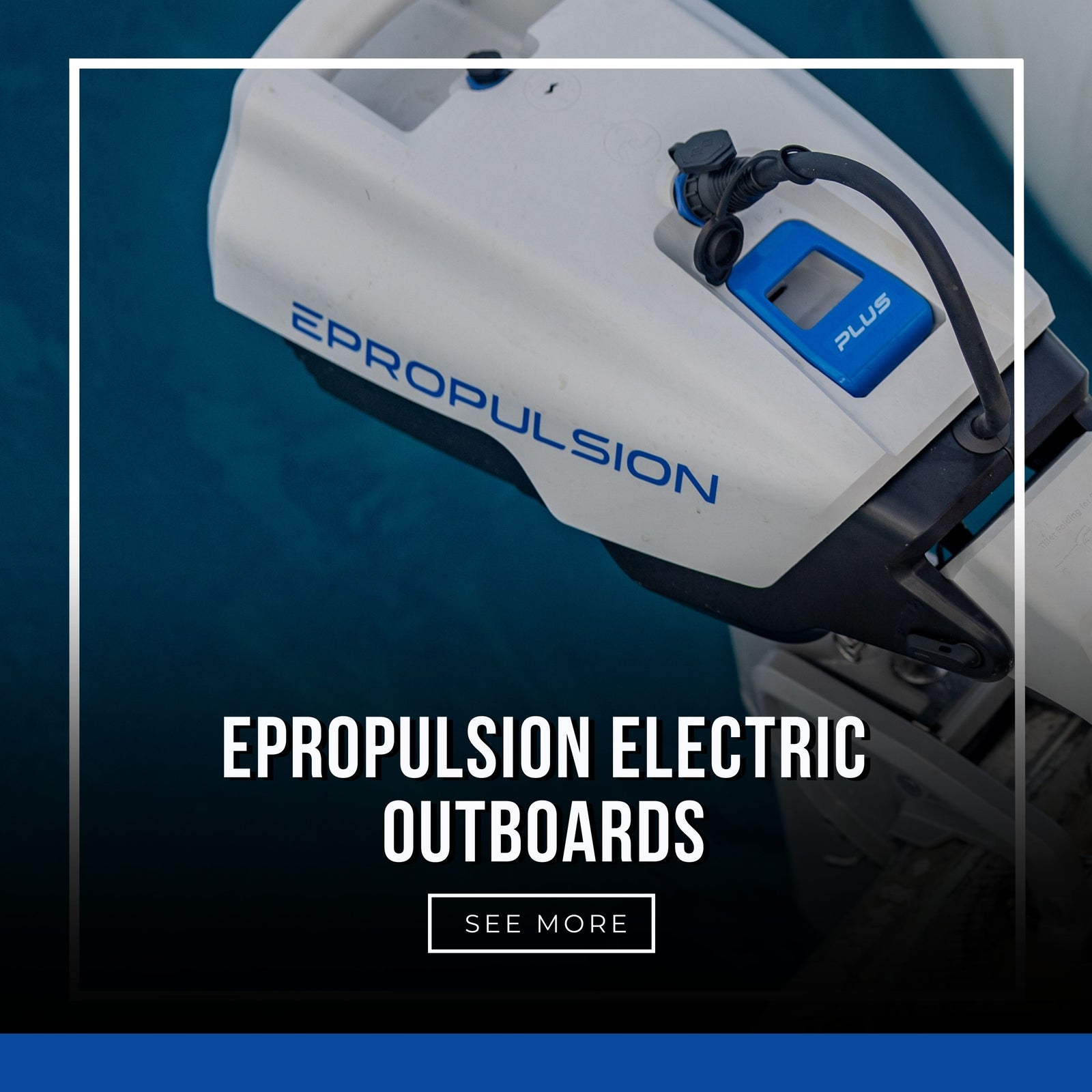
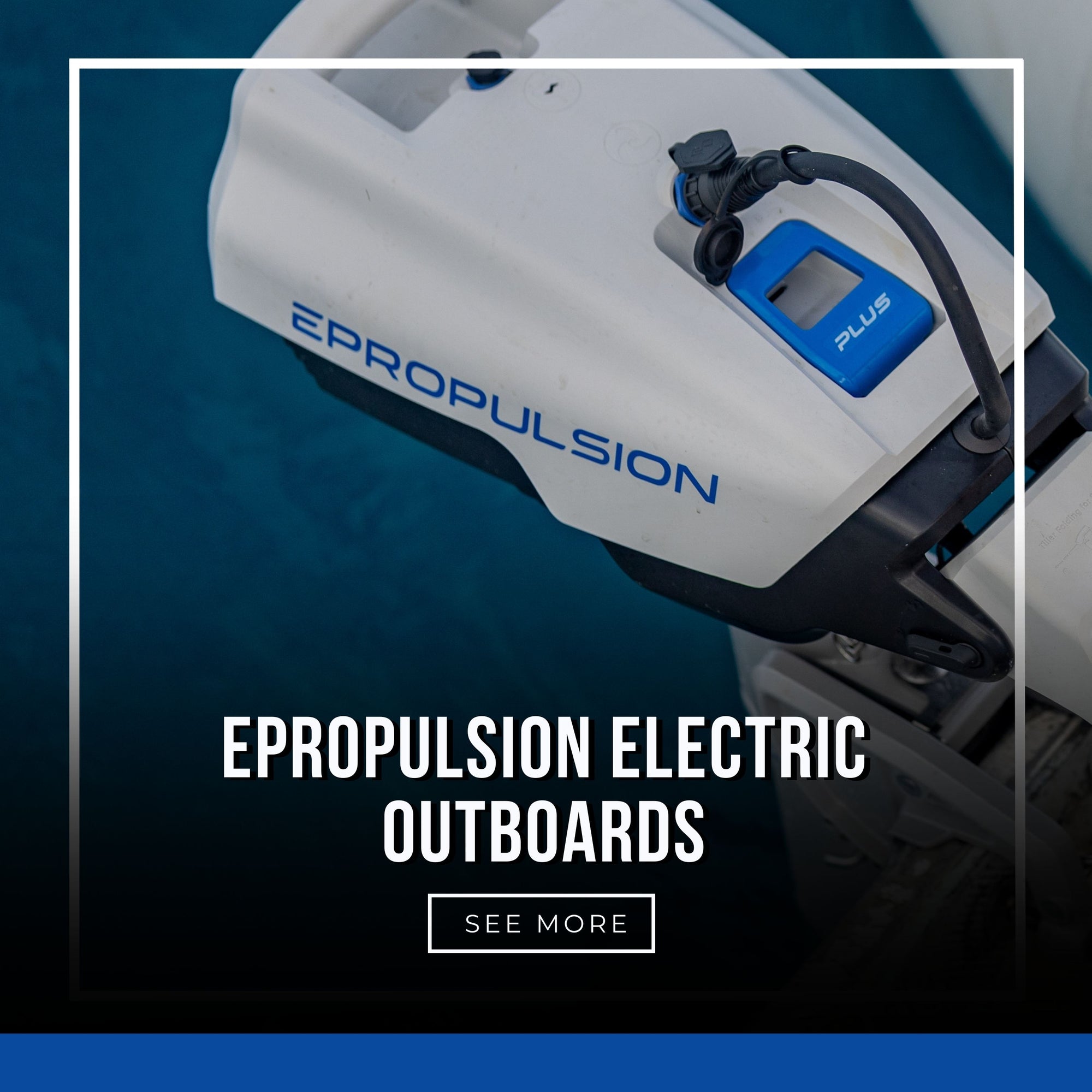
The ePropulsion Spirit 2 is one of the most practical and eco-friendly electric outboard motors available today. Built by ePropulsion Technology Limited, it delivers quiet propulsion, low maintenance, and portability for small boats and recreational watercraft. This expanded review covers performance, features, and usability with structured sections for easier reading.
| Feature | Traditional Petrol Motor | ePropulsion Spirit 2 Outboard |
| Noise & Vibration | Loud engine rumble & shaking | Whisper-quiet direct-drive performance |
| Maintenance | High (Spark plugs, filters, winterization) | Zero routine mechanical maintenance |
| Fuel & Running Costs | Rising gas prices & expensive oil | Minimal electricity costs to charge |
| Storage & Transport | Must store upright to prevent fuel leaks | Clean, leakproof, can store anywhere |
The Spirit 2 is highly versatile, but its absolute sweet spot is on lightweight, solo-person inflatables and skiffs.
When paired with a lighter craft, this motor takes full advantage of its higher RPM range. In our testing, switching into Boost Mode gives you just enough extra muscle to pop these small boats up on plane, hitting speeds of 9–12 mph. Once you pull the throttle back to a highly efficient cruising speed of 5–7 mph, the battery efficiency skyrockets, giving you a much longer overall traveling range on a single charge.
If you are putting the Spirit 2 on a larger, heavier craft, the top-speed advantage over the older Spirit 1.0 Plus becomes more minimized because of the hull weight. However, even on a heavier boat, the upgraded efficiency and power of the Spirit 2 will still typically outperform the older 1.0 Plus by 1–3 mph while giving you a much smarter, cable-free user experience.
The ePropulsion outboard system emphasizes efficiency and simplicity. Unlike traditional petrol engines, it eliminates fuel consumption and noisy operation while providing smooth movement on the water.
The ePropulsion sppirit 2 delivers adequate thrust for small to medium vessels. It performs well in calm lakes, rivers, and coastal areas, offering steady cruising speeds and responsive acceleration. Although it does not compete with high-speed petrol motors, electric propulsion excels in controlled navigation and quiet operation.
Sport mode enhances power when extra acceleration is needed, such as navigating waves or carrying additional weight. This feature gives users flexibility without sacrificing energy efficiency. For recreational boaters, the balance between speed and quiet operation often proves more valuable than raw top-end velocity.
Electric propulsion eliminates engine noise and emissions. With the outboard motor, users can enjoy nature without disturbing wildlife or fellow boaters. This is especially beneficial in protected waterways where environmental regulations restrict fuel-powered engines.
Quiet operation also enhances fishing experiences by reducing disturbance in the water. Many anglers report improved success because fish are less likely to scatter when the motor is silent.
Battery life depends on throttle usage and environmental conditions. At moderate speeds, users can expect several hours of operation, sufficient for most recreational outings. Because electric motors do not consume fuel, running costs are lower, and maintenance requirements are minimal.
Charging is straightforward with standard outlets, allowing users to recharge between trips. Planning ahead ensures the motor is always ready for use. Some boaters choose to carry a backup battery for extended excursions, increasing versatility.
Although initial costs may be higher than small petrol motors, the outboard motor offers long-term savings. Maintenance is minimal, and there are no fuel expenses. Over time, these savings can offset the purchase price.
Electric motors also have fewer moving parts than combustion engines, reducing the likelihood of mechanical failures. Routine maintenance typically involves cleaning and occasional inspections rather than complex repairs.
| The Pros (Why It’s Worth It) | The Cons (What to Keep in Mind) |
| 3kW Boost Mode: Gives a temporary, high-torque 6HP-equivalent kick of thrust to help lightweight aluminum hulls and inflatables jump up on a plane. | Higher Upfront Cost: The initial investment is higher than a budget gas outboard, though you completely wipe out fuel, oil, and winterization maintenance costs long-term. |
| Cable-Free "Slide-On" Design: The 1539Wh battery pack slides directly onto the motor head at a 45-degree angle—meaning zero messy external power cables to trip over or corrode. | Boost Mode Time Limit: The 3kW burst is limited to 60-second intervals with an automatic safety cooldown period before dropping back to the standard 2kW continuous output. |
| Built-in 45W USB-C Port: Turns your marine battery pack into a portable power station to run fish finders or charge phones and GoPros right on the water. | 8-Hour Standard Charging: A full charge takes 8 hours with the included standard charger. If you are running back-to-back days on the water, you will want to budget for the optional 2-hour fast charger. |
| Integrated Hydrogeneration: Perfect for sailboats—the motor hydrodynamic design actively recharges your battery using water flow while under sail at speeds between 3 and 16 knots. | |
| Whisper-Quiet Stealth: Utilizes an updated hydrodynamic design that minimizes propeller vibration for a smooth, dead-silent ride that won't spook shallow-water fish. |

Choosing between electric and gas propulsion isn't about which technology is "better"—it’s about matching the motor to your specific style of boating.
The ePropulsion Spirit 2 is a powerhouse, but it truly excels in four specific boating applications:
To help you visualize the trade-offs, here is how modern electric propulsion stacks up against traditional internal combustion engines:
| Feature | ePropulsion Electric Outboards | Traditional Gas Outboards |
| Noise Levels | Whisper-Quiet: Runs silently under 60dB. Perfect for wildlife and peaceful cruising. | Loud & Vibrating: Heavy engine rumble and shaking, especially at high RPMs. |
| Emissions | Zero Emissions: 100% clean operation. Allowed on gas-restricted waterways. | Exhaust Fumes: Produces direct exhaust, oil sheen potential, and gas smells. |
| Maintenance | Virtually Zero: Direct-drive means no oil changes, spark plugs, or winterizing. | High Maintenance: Requires routine seasonal servicing, impeller swaps, and fuel stabilizers. |
| Throttle Response | Instant Torque: Delivers maximum power immediately from a standstill for tight maneuvers. | Delayed Power: Needs to rev up through the RPM range to reach peak torque. |
| Range & Speed | Optimized for Short/Mid Trips: Best for calculated runs; requires recharging time. | Unlimited (with Extra Gas): Excels at long-range, high-speed offshore travel. |
| Refueling | Recharge: Takes hours via an outlet or solar (unless utilizing a fast charger). | Instant: Refuels at any standard marina pump in less than 5 minutes. |
The ePropulsion Spirit 2 relies on an integrated lithium battery system designed for efficiency and portability. Different battery configurations can influence runtime and overall performance, allowing users to select a setup that matches their boating habits. Larger batteries provide extended operating time, while smaller options emphasize lightweight portability.
Charging is simple with standard outlets, making it convenient for recreational boaters who plan trips in advance. Battery health can be preserved by avoiding deep discharges and storing the unit in a cool, dry place when not in use.
The ePropulsion Spirit 2 delivers a strong combination of performance, convenience, and environmental benefits. While it does not replace high-power petrol engines for extreme conditions, it excels in day-to-day recreational use.
With quiet operation, low maintenance, and portability, the ePropulsion outboard system offers modern boaters an alternative that prioritizes sustainability without compromising usability. For small boats and tenders, it represents one of the best electric propulsion solutions available today.
A: Yes, under the right conditions. While the motor runs at a steady 2kW (5HP equivalent), switching it into its 3kW Sport Boost Mode (6HP equivalent) provides a massive temporary kick of thrust. In testing on a lightweight 11.5-foot aluminum hull or inflatable skiff, this temporary surge is enough to get a light load over the hump and onto a plane.
A: Sport Boost Mode is a high-power feature that allows the Spirit 2 to jump from its nominal 2kW output up to 3kW. It is designed to run for up to 60 seconds per use to help you accelerate past heavy currents or combat strong wind. After the 60-second burst, the system enforces an automatic safety cooldown period to keep things from overheating.
A: No. Unlike the original Spirit 1.0 Plus battery pack which was buoyant, the upgraded 1539Wh Spirit Battery Ultra is packed with dense cells and does not float. Because the battery lacks positive buoyancy, we highly recommend sliding it securely into the motor head bracket and throwing the side sliding locking handle before you leave the boat ramp.
A: It entirely depends on how heavy your throttle hand is. On an 11.5-foot aluminum test hull under calm lake conditions, your runtimes break down like this:
A: Yes, absolutely. The Spirit 2 plays perfectly with the ePropulsion 48V architecture, meaning you can plug straight into external E-Series lithium batteries (like the E60 or E100 packs) using an external power cable to easily extend your runtime into multi-day camping or fishing trips.
A: It depends on if you purchase the Tiller Version or the Remote version. The standard Tiller kit includes the 2kW motor unit, a detachable transom mounting bracket, a 1539Wh Spirit Battery Ultra, a Spirit Battery Charger Ultra, a magnetic smart kill switch with a wristband, and your user manuals. (Note: The Remote version swaps the tiller handle for a remote steering linkage and installation kit)