Your Cart is Empty


Boating technology has changed significantly in recent years, and one of the biggest shifts is the move toward electric propulsion. Manypontoon boatowners are now replacing traditional gas engines with modern electric motors. This transition is driven by lower operating costs, quieter operation, easier maintenance, and the growing interest in eco-friendly boating.
A pontoon boat is already known for its stability, spacious deck, and relaxing cruising experience. With the addition of efficient electric boat motors, these boats are becoming even more practical for fishing trips, family outings, and exploring lakes and rivers.
Aluminum pontoons are well-known for their stability, spacious decks, and versatility. They provide a perfect platform for family outings, fishing trips, or entertaining guests. With electric propulsion, these boats are now even more practical, offering smooth, quiet operation without compromising performance.
Aluminum pontoons feature an open layout that allows owners to arrange seating, storage, and entertainment areas to their liking. Many boats are upgraded with fishing chairs, coolers, or navigation systems to enhance the boating experience.
Their stability makes them safe for passengers of all ages, making aluminum pontoons ideal for family outings and social gatherings. The addition of electric motors allows even larger pontoon boats to maintain stability while improving efficiency and quiet operation.
Noise from gas engines can disturb the calm of the water, but electric motors operate almost silently, creating a peaceful environment for passengers and wildlife. Anglers benefit from quiet operation as fish are less likely to be spooked.
Electric motors have fewer moving parts than gas engines, eliminating tasks like oil changes, spark plug replacements, and fuel system servicing. This simplicity leads to fewer breakdowns and a more enjoyable boating experience.
Electric propulsion removes the need for gasoline and reduces long-term maintenance expenses. Batteries can often be charged at home, making electric pontoons cost-effective over time.
Electric motors produce zero emissions, reducing both water and air pollution. This is particularly important for environmentally sensitive lakes and rivers.
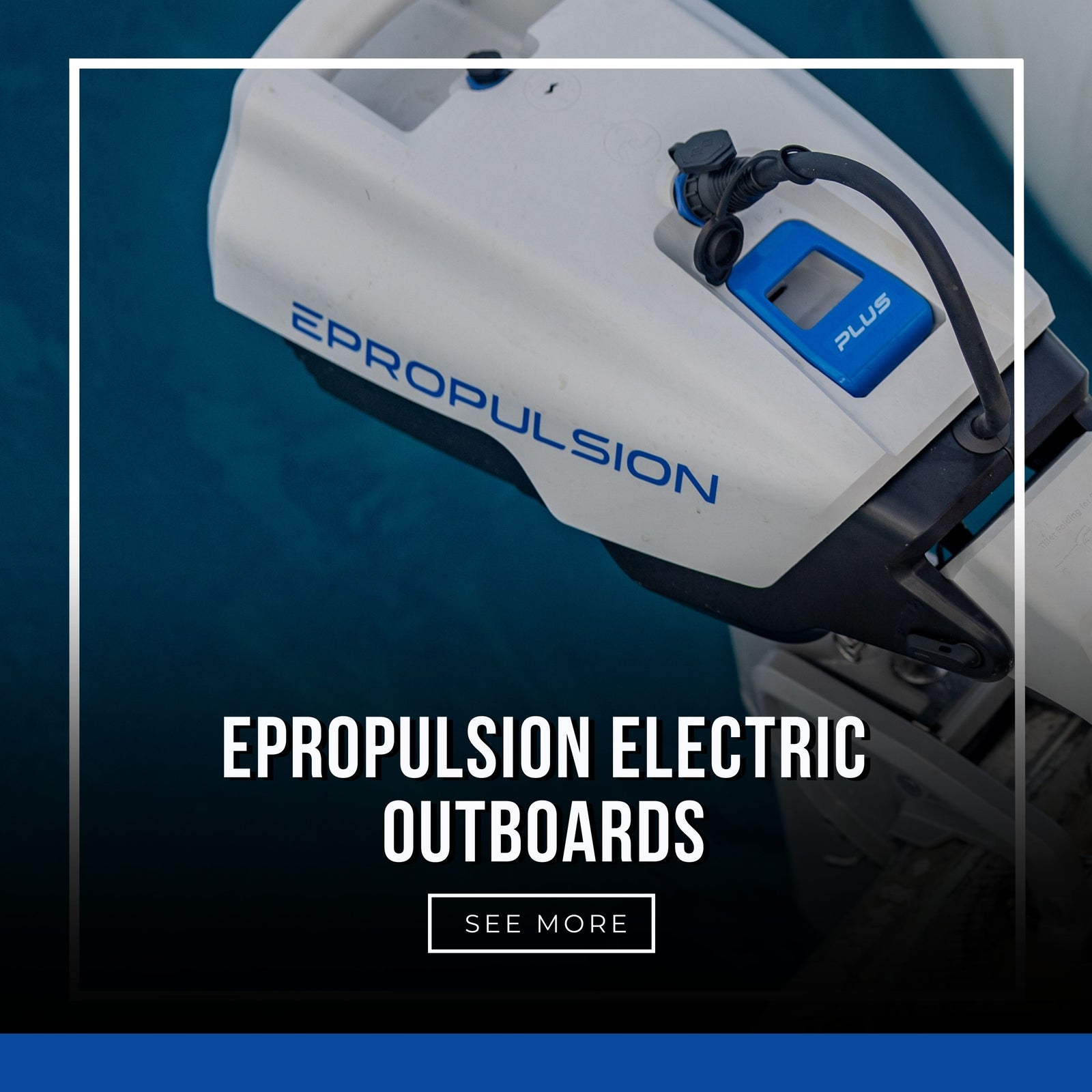
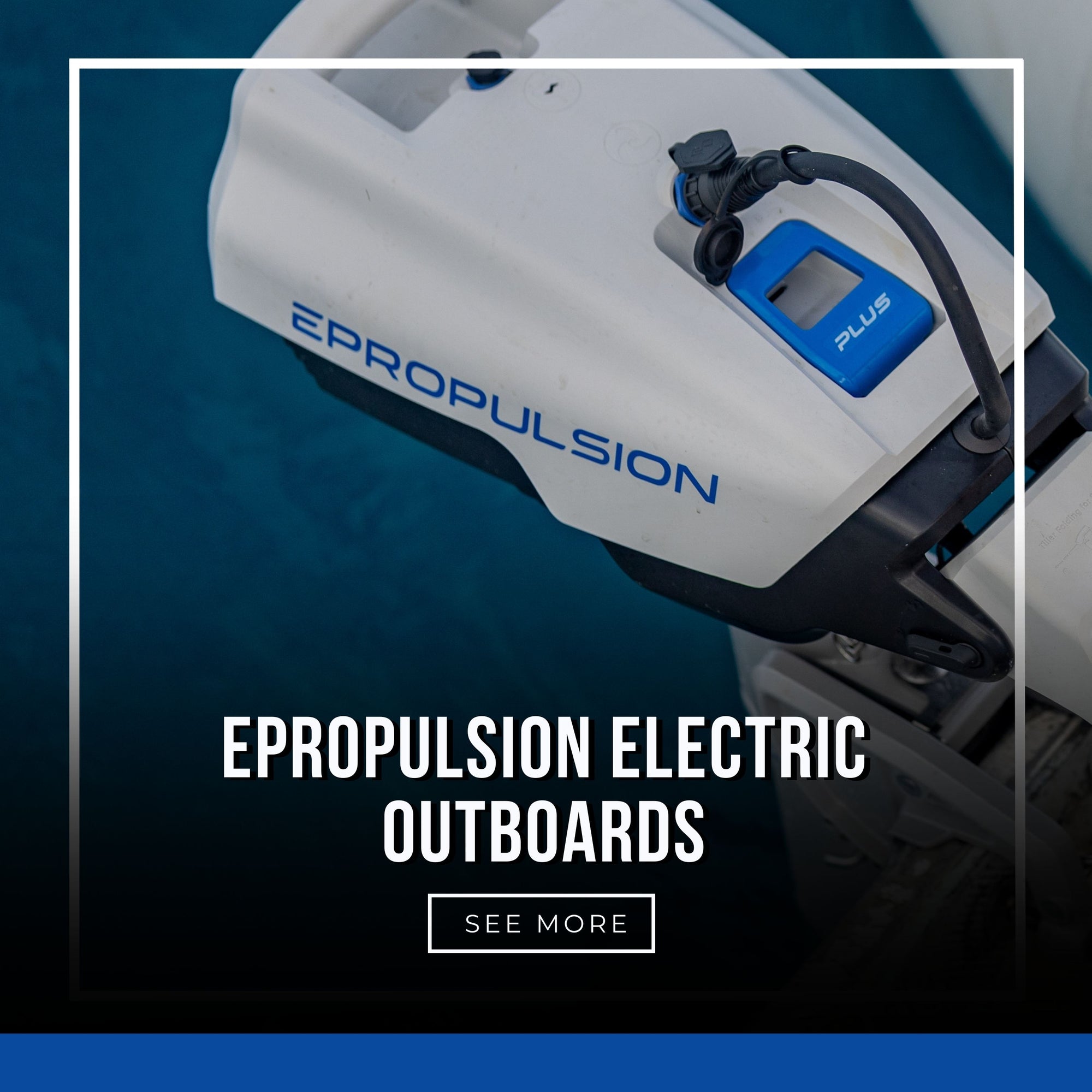
Many lakes have horsepower restrictions or allow electric-only motors. By switching to an ePropulsion Navy series electric motor, owners of full-sized aluminum pontoons can continue using these lakes without violating regulations.
Many lakes and reservoirs enforce strict boating regulations to protect the environment and maintain a peaceful atmosphere. These typically fall into two categories: electric-only lakes and horsepower-restricted lakes. Electric-only lakes prohibit gas engines entirely, meaning boaters must rely on electric propulsion to access the water. Horsepower-restricted lakes, often limited to 10 horsepower or less, also favor electric systems because they can meet these limits without sacrificing usability.
For aluminum pontoon boats, this creates a major advantage. Electric outboards allow larger, family-sized pontoons to operate legally and efficiently in these restricted areas. Instead of downsizing or avoiding certain lakes, boaters can continue enjoying full-sized pontoons with smooth, quiet, and compliant performance.
This is one of the biggest reasons electric pontoon setups are growing in popularity, they expand access to more waterways while improving the overall boating experience.
Noise is one of the biggest differences between gas and electric propulsion. Electric boat motors operate quietly, creating a peaceful and relaxing environment for passengers. Gas engines often produce loud vibrations that interrupt the calm atmosphere of boating.
Anglers also benefit from the silent operation. Fish are less likely to be startled by quiet motors, making electric trolling motors especially effective when approaching prime fishing spots.
Traditional gas outboards have powered boats for decades, but improvements in battery technology have made electric motors a strong alternative.
Maintenance is another major factor driving boaters to switch from gas to electric propulsion.
Gas-powered boats demand frequent maintenance, including oil changes, spark plug replacements, and fuel system inspections. Electric motors remove many of these tasks from the equation, allowing owners to spend more time on the water rather than in the workshop.
Owners of a tiny pontoon boat or micro skiff particularly appreciate the convenience of electric systems. These boats are often used for short recreational trips, so a motor that starts instantly and requires minimal servicing is a major advantage.
Electric motors have far fewer moving parts compared to gas engines, reducing the chances of breakdowns and mechanical failures. This not only improves reliability but also extends the lifespan of the motor.
Without the need for gasoline, oil, and frequent repairs, electric propulsion can be more economical over time. Battery maintenance is simple, and many systems can be charged at home, saving both time and money.
Along with reduced maintenance, electric motors produce no exhaust emissions. This cleaner operation benefits waterways and the surrounding landscape, creating a healthier environment for both people and wildlife.
Electric motors are easier to store during the off-season. Unlike gas engines, they don’t require fuel system winterization, making spring start-up hassle-free and preserving the long-term reliability of the boat.
Operating a gas-powered boat can become expensive, especially with rising fuel prices. Electric boat motors eliminate fuel costs entirely. Batteries can be recharged after each trip, often at a fraction of the cost of gasoline.
Electric systems also reduce maintenance expenses over time. With fewer mechanical parts, there are fewer repairs, helping boat owners save money and enjoy stress-free boating in the long run.
The Pontoon is leaving gas engines behind because electric motors offer a quieter, cleaner, and lower-maintenance alternative. Gas engines are noisy, produce emissions, and require frequent servicing, while electric systems are simpler to operate and maintain.

Performance is a common concern when switching from gas to electric, but modern systems are more capable than many expect.
A 22-foot pontoon boat powered by an ePropulsion Navy 6.0 electric outboard (9.9hp equivalent) can reach speeds of up to 9 –10 mph. This makes it well-suited for cruising, relaxing, and navigating lakes with speed or horsepower restrictions.
In terms of runtime, boaters can expect several hours of use depending on battery capacity, passenger load, and throttle settings. Lower speeds can significantly extend runtime, making electric pontoons ideal for long, relaxed days on the water. This level of performance proves that electric propulsion is not just an alternative, it is a practical and reliable solution for modern pontoon boating.
Environmental awareness is another reason for the shift toward electric boating.
As electric propulsion becomes more common, manufacturers are creating specialized pontoon boat accessories to support these systems. Common accessories include lithium battery packs, solar charging systems, battery monitoring displays, motor mounts designed for electric motors, and smart throttle and control systems.
A perfect example is the Pond-Tini 14-foot giveaway pontoon, which was outfitted with an ePropulsion Navy electric motor. The conversion demonstrates how a pontoon originally designed for a high-horsepower gas engine can efficiently operate on electric power. The result is a quiet, low-maintenance, and environmentally friendly boat, ideal for lakes with restrictions.
Other full-sized boats, such as the Sun Tracker Party Barge 22, are undergoing similar upgrades, allowing owners to enjoy large, family-friendly pontoons while benefiting from all the advantages of electric propulsion.
Electric propulsion is quickly becoming a major trend in the boating industry. Improvements in battery capacity and motor efficiency are making electric boat motors more capable every year. For many boaters, electric propulsion provides everything they need: quiet operation, lower maintenance, reduced environmental impact, and lower operating costs.
As a result, more buyers searching for a pontoon boat for sale are choosing models equipped with electric outboard motors or converting their existing boats to electric power. Whether powering a full-sized family cruiser or a compact tiny pontoon boat, electric propulsion is shaping the future of pontoon boating. With modern electric trolling motors, efficient batteries, and innovative pontoon boat accessories, the next generation of pontoon boats is becoming quieter, cleaner, and more enjoyable for everyone on the water.
Owners are switching to electric motors for quieter operation, easier maintenance, lower operating costs, and environmental benefits. Electric propulsion also allows access to lakes with gas engine restrictions.
Yes, tiny pontoon boats work well with electric trolling motors, offering precise control, quiet operation, and better fishing results.
Electric boat motors have fewer moving parts, require less maintenance, produce no emissions, and operate quietly, making them more efficient and eco-friendly.
Yes, popular pontoon boat accessories for electric setups include lithium batteries, solar chargers, battery monitoring systems, motor mounts, and smart throttle controls.
Many dealerships and online marketplaces now offer pontoon boats for sale equipped with electric outboard motors or compatible with electric propulsion upgrades.