Your Cart is Empty

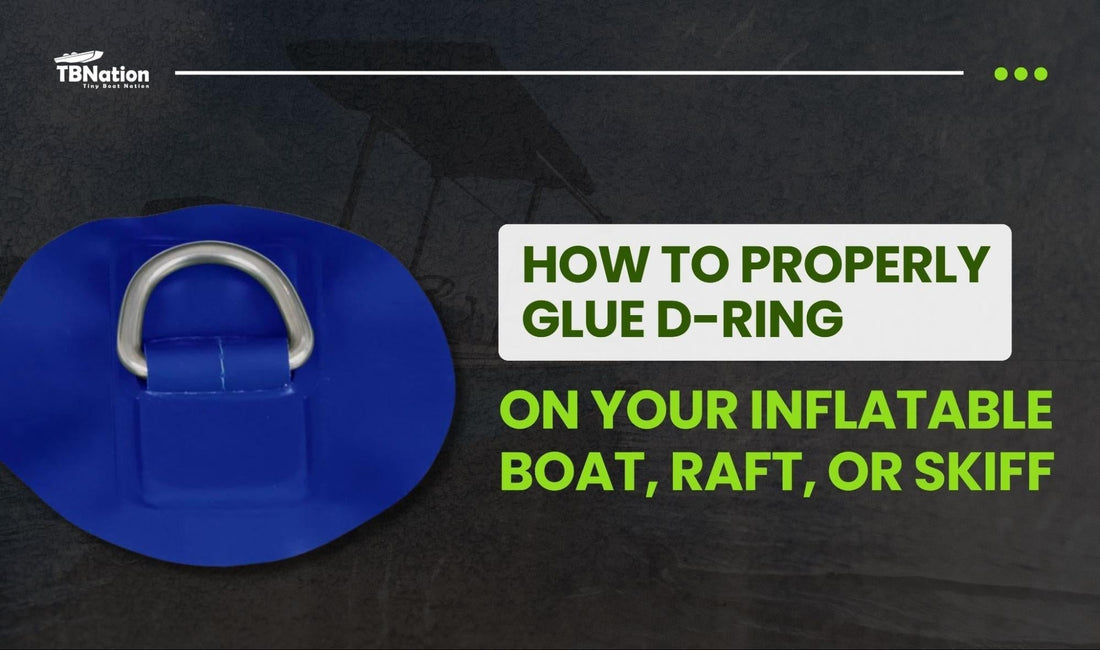
If you own an Inflatable Boat, Raft, or Skiff, one of the most important accessories you can install is the D-Ring. This small but powerful piece of hardware provides secure attachment points for gear, towing lines, anchors, and safety ropes, making your watercraft more functional and safe. Choosing the right location, preparing the surface properly, and using a compatible marine-grade adhesive are key steps for a strong, lasting bond. Skipping them can lead to peeling, weak attachment points, or material damage.
Proper installation is only the beginning. Regular maintenance, cleaning, inspection, and protection from extreme heat, extends the lifespan of your D-rings and prevents corrosion. Adding backing patches or using multiple rings in high-stress areas enhances durability.
A D-ring is a metal or nylon ring shaped like the letter “D,” attached to a patch that bonds directly onto your boat’s surface. It serves as a durable anchor point for securing coolers, gear, ropes, or safety lines. Inflatable boats don’t have rigid mounting points, so properly glued D-rings are the best solution. When installed correctly, they remain secure under rough conditions, heavy loads, and temperature changes.
Selecting the correct type ensures long-term strength and compatibility. Stainless steel D-rings are the top choice for marine use because they resist rust and corrosion in both freshwater and saltwater. For lighter-duty needs, high-strength nylon rings provide solid performance with reduced weight.
The patch fabric should match your boat’s material, PVC rings for PVC boats, Hypalon rings for Hypalon boats. Using mismatched materials can lead to weak bonding or early failure.

Pick a flat, smooth area where the D-ring will be most useful, on the deck, side tube, or stern. Ensure it’s easily reachable for ropes or gear and won’t interfere with paddling or seating.

Use alcohol or thinner to remove all dust, wax, and grease from both the patch and the boat area. Proper cleaning ensures the adhesive bonds securely.

Using a brush, apply a thin coat of marine vinyl cement to both the D-ring patch and boat surface. Let it dry until tacky to the touch, slightly sticky but not wet.

Apply a second thin layer evenly over both surfaces. Avoid thick coats that can create weak spots. Make sure all edges are covered for full adhesion.

Align the D-ring carefully over the marked area. Press from the center outward to remove any air bubbles. Use firm pressure and smooth the edges for a tight seal. Wipe away any excess glue and allow it to cure undisturbed.
One of the biggest mistakes builders make is ignoring how temperature affects the chemical bond. While D-ring patches and Hydro-Turf are resilient and won't shatter in freezing weather, the adhesive has specific atmospheric requirements.
Before you strap down heavy equipment, you need to understand how much weight your glued D-rings can handle. These are designed forShear Strength (pulling sideways across the surface) rather thanPeel Strength (pulling directly up and away from the hull).
After each use, especially in saltwater, rinse your D-rings and surrounding areas with fresh water. Salt and sand can weaken adhesive bonds and corrode metal. Use mild soap if needed, then rinse and dry completely.
Inspect your D-rings regularly for peeling, cracking, fraying, or rust. High-stress points may show wear sooner, so pay special attention to those. If you spot minor lifting, reapply adhesive immediately.
Keep your inflatable out of prolonged direct sunlight or hot storage areas. High temperatures soften glue and can cause patches to lift. When not in use, cover or shade your boat.
Apply a light coat of marine-grade lubricant to stainless-steel D-rings occasionally. It prevents corrosion and keeps them moving smoothly when tying ropes. Wipe off excess lubricant to avoid dirt buildup.

If a D-ring starts peeling or you need to replace it, gently heat the area with a hairdryer to soften the glue. Slowly lift the patch without pulling too hard to avoid tearing the fabric.
After removal, wipe away all leftover glue using acetone or rubbing alcohol. Make sure no residue remains before reinstalling, as leftover adhesive can block new glue from bonding.
Lightly sand both the boat area and the back of the patch to create a rough texture, then clean them again. A properly prepared surface ensures maximum grip.
Apply two thin, even coats of glue on both surfaces, letting each dry until tacky. Align carefully, press firmly, and smooth the edges to eliminate bubbles.
Let the adhesive cure for the full recommended time, usually 24 hours, before applying any tension. Avoid launching or loading the area too soon, as this can cause the bond to fail prematurely.
Store your boat in a cool, dry area when not in use. If deflated, make sure the D-rings are dry before folding to prevent mold or moisture damage.
Replace your D-rings if you notice deep cracks in the patch, rust that can’t be removed, or frayed attachment loops. Over time, repeated stress and UV exposure can weaken even the strongest materials. New D-rings are inexpensive, and replacing them early prevents damage to the boat fabric.
Dispose of old adhesive, rags, and chemical cleaners responsibly. Avoid spilling glue or solvent into the water. Many marine supply stores accept used materials for proper disposal.
Learning how to install and maintain D Rings is a simple but essential skill for any inflatable boat, raft, or skiff owner. With the right preparation, adhesive, and technique, you can create durable attachment points that last for years. These rings add flexibility and safety to your setup, allowing you to secure cargo, towing lines, and gear confidently. Regular inspection and proper care ensure that your D-rings stay strong through countless trips.
An attachment ring is a metal or nylon ring shaped like the letter “D,” mounted on a patch that bonds to your boat’s surface. It provides durable points for ropes, gear, anchors, and safety lines, enhancing the overall functionality and safety of inflatable boats, rafts, and skiffs.
Stainless steel rings are best for heavy-duty applications, saltwater use, and maximum durability, while nylon rings are lightweight, corrosion-resistant, and suitable for lighter loads. Choose based on your specific needs and the type of boat.
Clean and roughen both surfaces thoroughly, apply thin coats of marine-grade adhesive compatible with your boat material (PVC or Hypalon), let the glue become tacky, then press and hold the ring firmly in place. Allow full curing time before use.
No, rings must be installed on smooth, flat areas to ensure complete contact with the adhesive. Curved or uneven surfaces can result in weak adhesion and premature failure.
Rinse with fresh water after every use, inspect periodically for peeling or corrosion, avoid prolonged heat exposure, and lubricate metal parts occasionally. Proper maintenance can significantly extend the life of the rings.