Your Cart is Empty


Key Takeaways
If you’ve been hanging around the TBN shop or watching our builds lately, you know the question isn’t if electric outboards are coming, it’s whether they’ve finally caught up to your specific rig. In 2026, the "Napkin to Nautical" stage of planning a build now requires a serious look at electric propulsion.
At Tiny Boat Nation, we don’t just sell parts; we build vessels. Whether you’re converting a bare-bones aluminum jon boat into a mini bass boat or outfitting a high-end micro-skiff, choosing between gas and electric is one of the biggest "boulders" in your build process.
The shift toward electric outboards isn't just about being "green"—it’s about performance and the DIY experience.
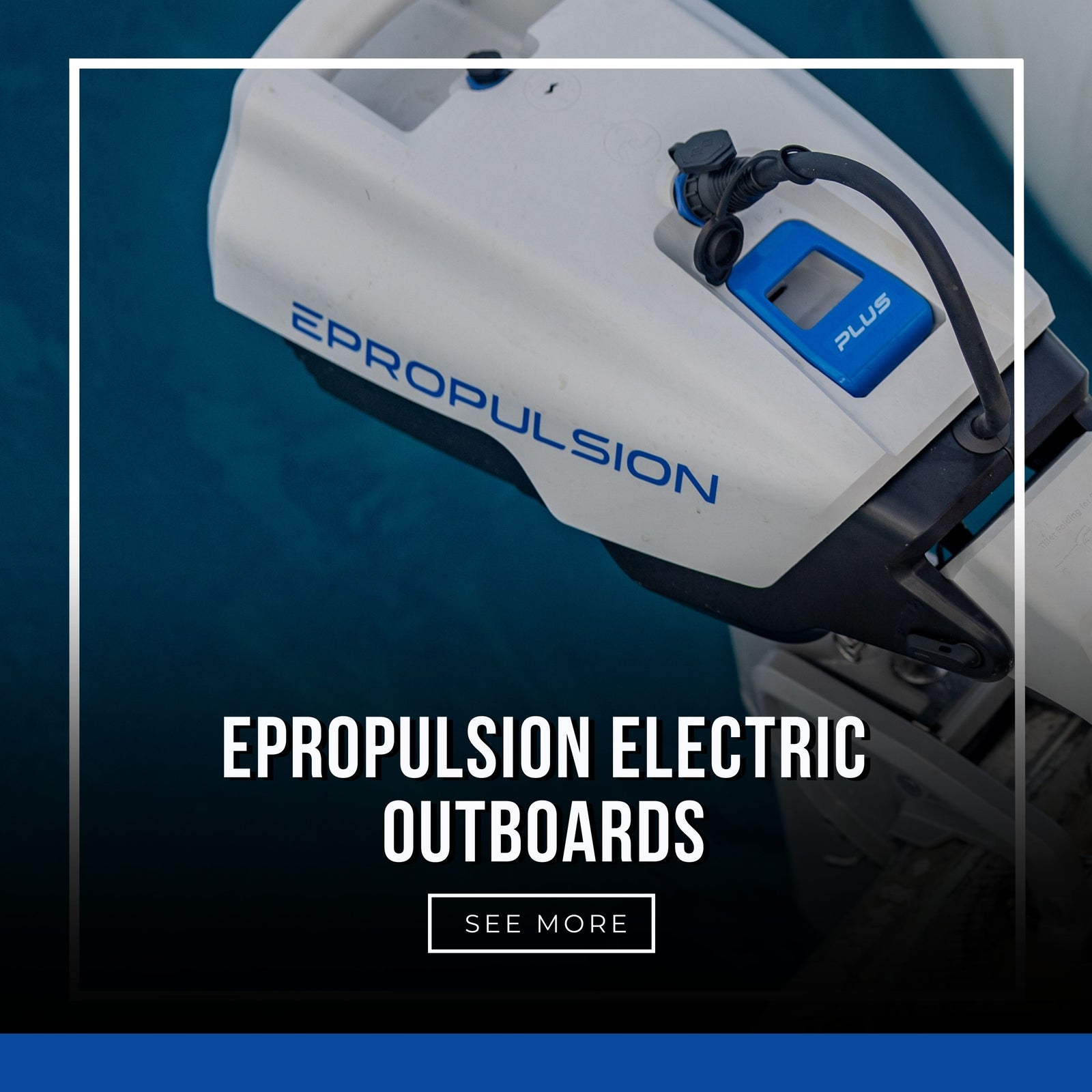
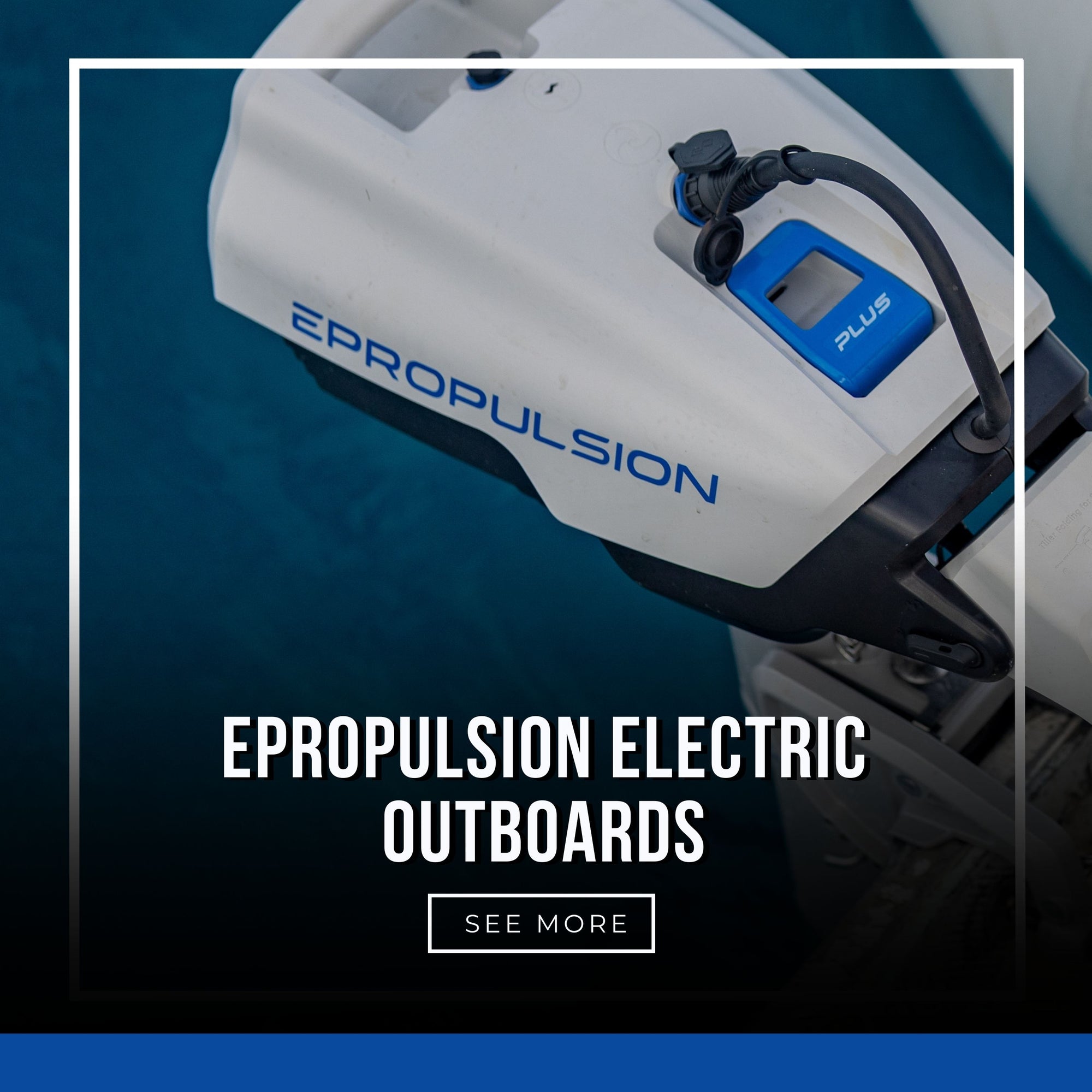
A major TBN core principle is "getting back to building and out on the water". Traditional gas outboards involve carbs, impellers, and winterization. Brushless direct-drive electric motors, like the ePropulsion Spirit 1.0 Plus, are rated for 20,000 hours of maintenance-free use.
For many in our community, silence is a competitive advantage . ePropulsion is widely considered the quietest in the industry, whereas even premium gas alternatives have a noticeable "windy" whine.
Every pound counts on a 10–12ft portable jon. A full Spirit 1.0 Plus setup weighs only 42 lbs, compared to a comparable trolling motor and battery setup that can exceed 128 lbs.
Electric motors deliver instant torque. Unlike gas engines that need to build RPM, an electric outboard delivers max thrust the second you twist the tiller. This is a game-changer for:
If your goal is wide-open throttle (WOT) all day on big water, gas still wins. However, for the "Weekend Warrior" or "First-Time Builder" on electric-only lakes, the Spirit 1.0 Plus provides about 76 minutes of WOT runtime, which is best-in-class for its price point.
When we review motors, we look for "bang for your buck" and long-term reliability.

The "functional champion" of our shop. It features a floating battery (a huge safety win if you drop it during install) and a breakaway prop that protects the lower unit from rock strikes.

A budget-friendly option that is often the fastest (hitting 6.1 mph), but it is significantly louder and less refined than ePropulsion.

This 3 HP equivalent motor is whisper-quiet and efficient, designed for anglers and tender boats. Users appreciate its smooth low-speed control and simple setup, making it a favorite for lake and cove runs.
One common "Edge Case" we handle is the wrong shaft length. Rule of Thumb: ePropulsion shaft names don't match gas outboard labels, they are effectively "one step back".
For batteries, we recommend ePropulsion E-Series (E80 or E175). These integrate with the motor's BMS to give you real-time "minutes remaining" data on your tiller screen.

Convenience depends heavily on your setup.
If you store your boat at home or keep it somewhere with reliable power access, charging an electric outboard motor can be incredibly easy. Plugging in overnight may feel simpler than storing gas cans or stopping for fuel.
But if you frequently trailer to remote launch points or run long boating days away from shore power, gas still offers more flexibility. That’s why the “better” option depends so much on where and how you boat.
The answer is a resounding yes if you value peace of mind and total simplicity. Switching to electric means leaving behind the messy gas cans, oil leaks, and "will-it-start" anxiety at the boat ramp.
These plug-and-play systems, like the ePropulsion Spirit series, are completely maintenance-free and ready to run the moment you twist the tiller, allowing you to focus on the creativity of your build rather than engine repairs.
Beyond mechanical ease, electric propulsion sets the new standard for safety and performance. With instant torque for better control, near-silent stealth for fishing, and software-controlled power limits for younger builders, it is the ultimate upgrade for any high-performance DIY vessel.
Ready to electrify your build? Shop the ePropulsion Collection or Message the Crew today for a custom consultation and a premium, gear-ready invoice!
A: The Spirit series is a 3HP equivalent, ideal for 10–14ft jons and micro-skiffs. For 9.9HP gas performance on larger builds or pontoons, go with the Navy 6.0 Evo.
A: Currently, it is optimized only for 12V Minn Kota Endura and Riptide (30-55lb) motors. 24V prototypes are in testing for 2026/2027 release updates.
A: ePropulsion naming is "one step back" from gas motors; a 15" transom requires an Extra Short (XS) shaft. Using a "Short" shaft will sit too deep, causing drag and ruining your draft.
A: Yes, you can use ePropulsion E-Series or 3rd-party 48V lithium batteries with the proper 2-gauge tinned copper wiring. This can extend wide-open throttle runtime from 75 minutes to over 3 hours.